
Stories received. Stories retold. Stories sung again.
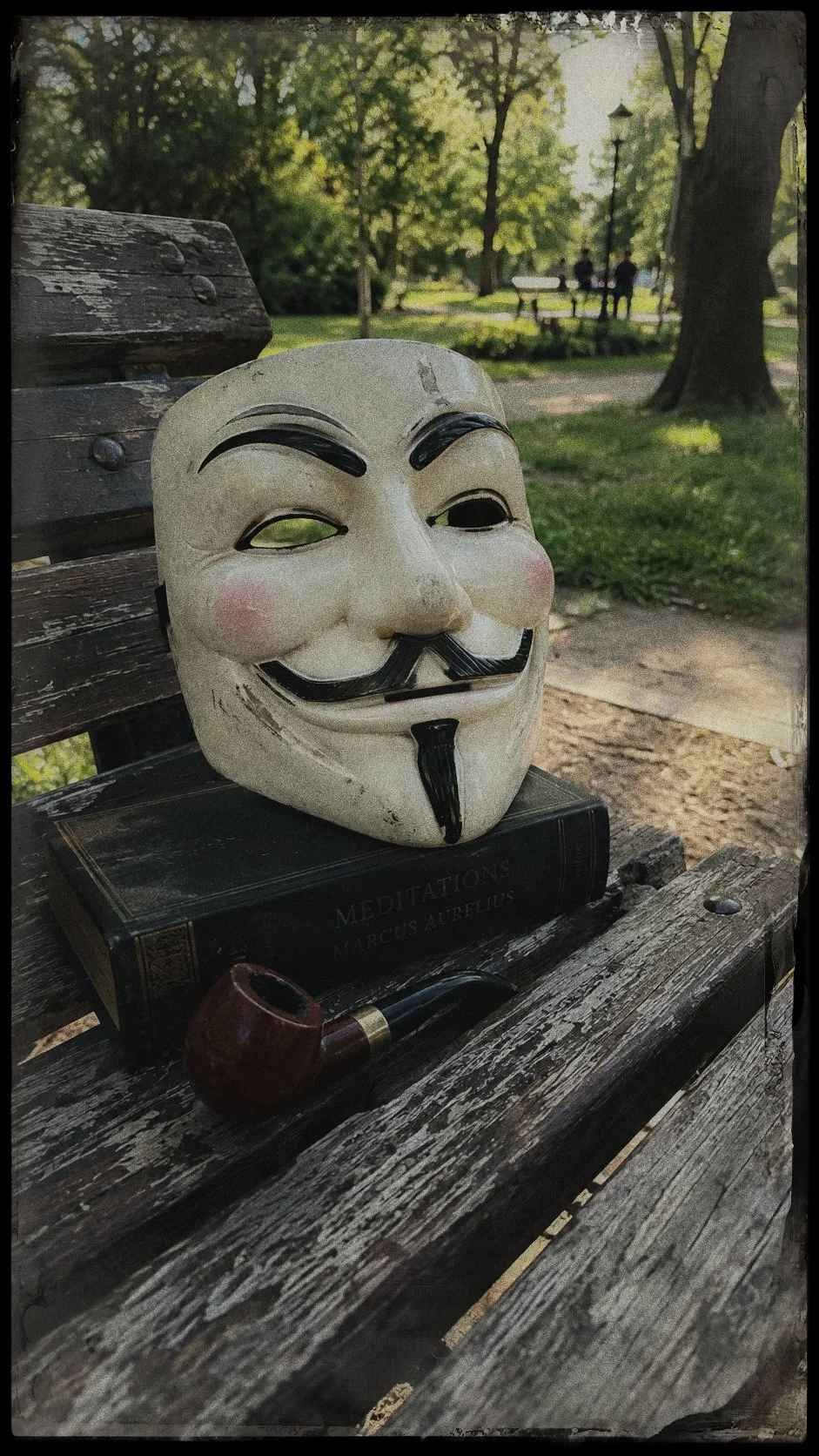
How may a story live again without ceasing to be itself?
There are stories that reach us already carrying fingerprints.
Someone told them. Someone preserved them. Someone translated them. Someone argued with them. Someone forgot part of them.
And somehow, after all that travelling, they arrive here.
What might happen to us—and to the world we return to—when it does?
The Inherited Story is the literary work at the heart of Parabolic Imagination: receiving older stories carefully, allowing them to resist us, and transforming them into living narrative poetry.
Not preservation without life.
Not reinvention without memory.
Something between the two.
RECEIVE BEFORE TRANSFORMING
Before asking what I can make from a story, I want to know what the story actually is.
What happens?
Who lives within it?
What does it love?
What does it fear?
What remains strange?
What troubles me?
What am I tempted to change simply because I wish the story were easier?
The source comes before the interpretation.
The old story gets to argue back.
The story is encountered before it is recruited.
Because inheritance is not ownership.
We are allowed to create with what has been handed to us—but first we have to listen.
Four movements of the work

Recieve
Encounter the story before deciding what it should become.
Learn where it has travelled, what survives, what has changed in transmission, and what must remain for this still to be this story.
Let difference remain different.
Do not quietly modernize difficult characters, erase uncomfortable theology, romanticize the past, or resolve ambiguities simply because they frustrate us.
A story that cannot resist the poet has become raw material.

Transform
Fidelity is not transcription.
Description may be compressed. Dialogue may change form. Prose may become rhythm, rhyme, stanza and song.
Transformation is worthwhile when the new form makes something newly perceptible.

Resist
Hand On
Every retelling joins the history of the story.
Source should remain distinguishable from interpretation, and interpretation from invention.
Receive responsibly.
Transform boldly.
Hand onward truthfully.
WHY POETRY?
Almost any prose can be broken into lines.
That alone does not justify turning a story into poetry.
The question is:
What can poetry make newly perceptible?
Poetry changes attention.
It slows us.
Rhythm carries.
Rhyme remembers.
Images gather meaning as they return.
A refrain can make the same words arrive differently the third time we hear them.
Lament can remain lament.
Prayer can remain unanswered.
Silence can be allowed to remain silence.
The long-form English narrative ballad offers an old story another way of moving:
Story moves.
Stress carries.
Rhyme remembers.
The stanza breathes.
And eventually the new poem has to live without the original beside it.
Fidelity matters.
But the retelling must become poetry.

RE-ENCHANTMENT THROUGH ATTENTION
Behind The Inherited Story is a larger hope:
that old stories, honestly received and imaginatively retold, might help us learn to see the world again.
By re-enchantment, I do not mean adding magic to reality.
I mean recovering the attention required to discover that reality was never merely ordinary.
Stone should remain stone.
Bread should remain bread.
A wound should still hurt.
History should still have consequences.
Death should remain death.
Wonder does not require these things to become something else.
Perhaps it begins when we stop looking past them.
The Gospels return us to bread, fish, dust, water, wounds, tables, gardens and graves.
MacDonald gives us houses, mirrors, bodies, sleep, wilderness, desire and death.
The old story becomes one way of returning to the world with our attention changed.
We sing old stories again not simply so they survive—
but because they may teach us how to see what is still around us.
Fourfold Flame
A Poetic Retelling of the Four Gospels
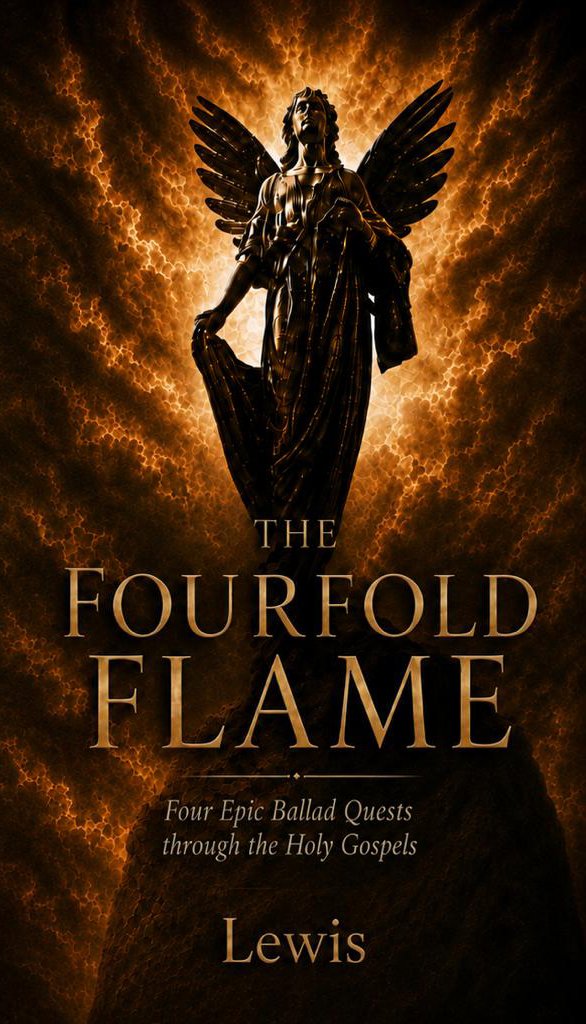
The first major expression of The Inherited Story was Fourfold Flame.
Four Gospel witnesses.
Four distinct voices.
One story received again through poetry.
It began a question that continues to shape Parabolic Imagination:
How do we receive a story that matters deeply to us without reducing it to explanation?
And what might poetry allow us to notice when familiar words become strange enough to hear again?
EXPLORE FOURFOLD FLAME

Reviews -
“This is incredible, beautifully engaging! I can imagine sitting around a campfire listening to someone recite this like an ancient story. As someone who can struggle feeling comfortable picking up a Bible, I see a retelling like this so important. I think poetry can also communicate deeper truths beneath the words and add some much needed life.”
- Anonymous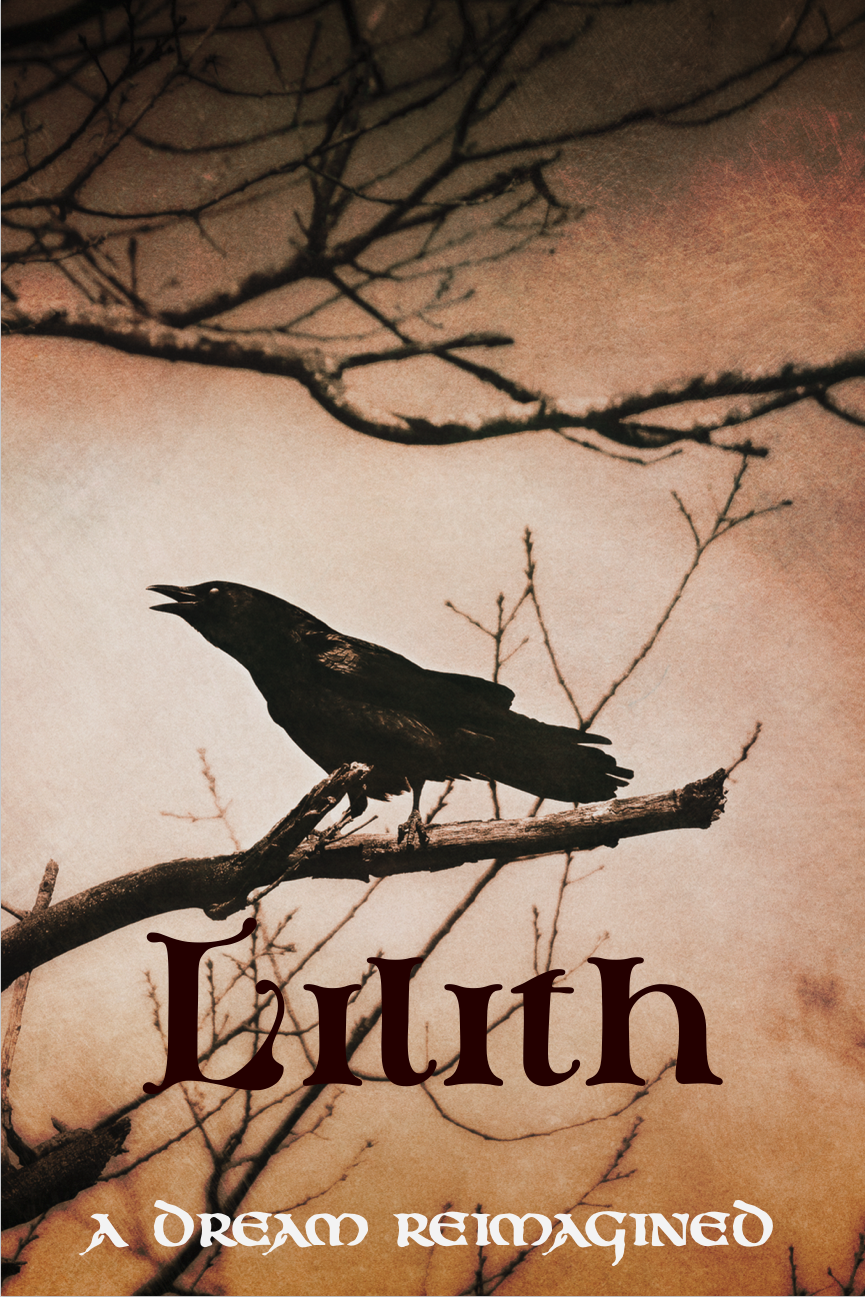
George Macdonald’s Lilith
A reimagining a Masterpiece
The Second Inherited Story
The work now continues with George MacDonald’s strange, difficult and deeply theological novel Lilith.
The novel is being received first as MacDonald’s story—its events, characters, relationships, symbols, difficulties and ambiguities—before being transformed into long-form English narrative ballad.
The aim is neither summary nor replacement.
It is to ask what happens when Lilith passes through another form while remaining answerable to the story that came before it.
What must remain?
What may change?
What does the story refuse to surrender?
What becomes newly visible when prose becomes ballad?
And what might MacDonald’s strange world teach us to notice when we return to our own?
ENTER LILITH
The Bardic Edition
The poems are written first to live on the page.
But poetry has another life.
It can be breathed.
Spoken.
Remembered.
Sung.
The Bardic Edition returns the narrative ballad to voice through contemporary musical performance.
Not medieval imitation.
Not fantasy costume.
The music belongs to the present, while serving an older function:
to carry a story through rhythm, memory and the human voice.
The written poem lets us linger.
The sung poem lets the language breathe.
They are two lives of the same poem.
The performed work continues in Pipes, Pints & Poetry, where the written poetry of Parabolic Imagination is given back to the voice.
Keep The Story Open
The old story does not need embalming.
It needs listening.
Then transformation.
Then another pair of hands.
Receive before transforming.
Pay deeper attention.
Hand the story onward.
The old voice is not mine.
The new poem is.
And perhaps somewhere between them, something happens to the person listening.
The old story becomes strange again.
The familiar world follows.
And for a moment, we see what had been there all along.
KEEP THE STORY OPEN.