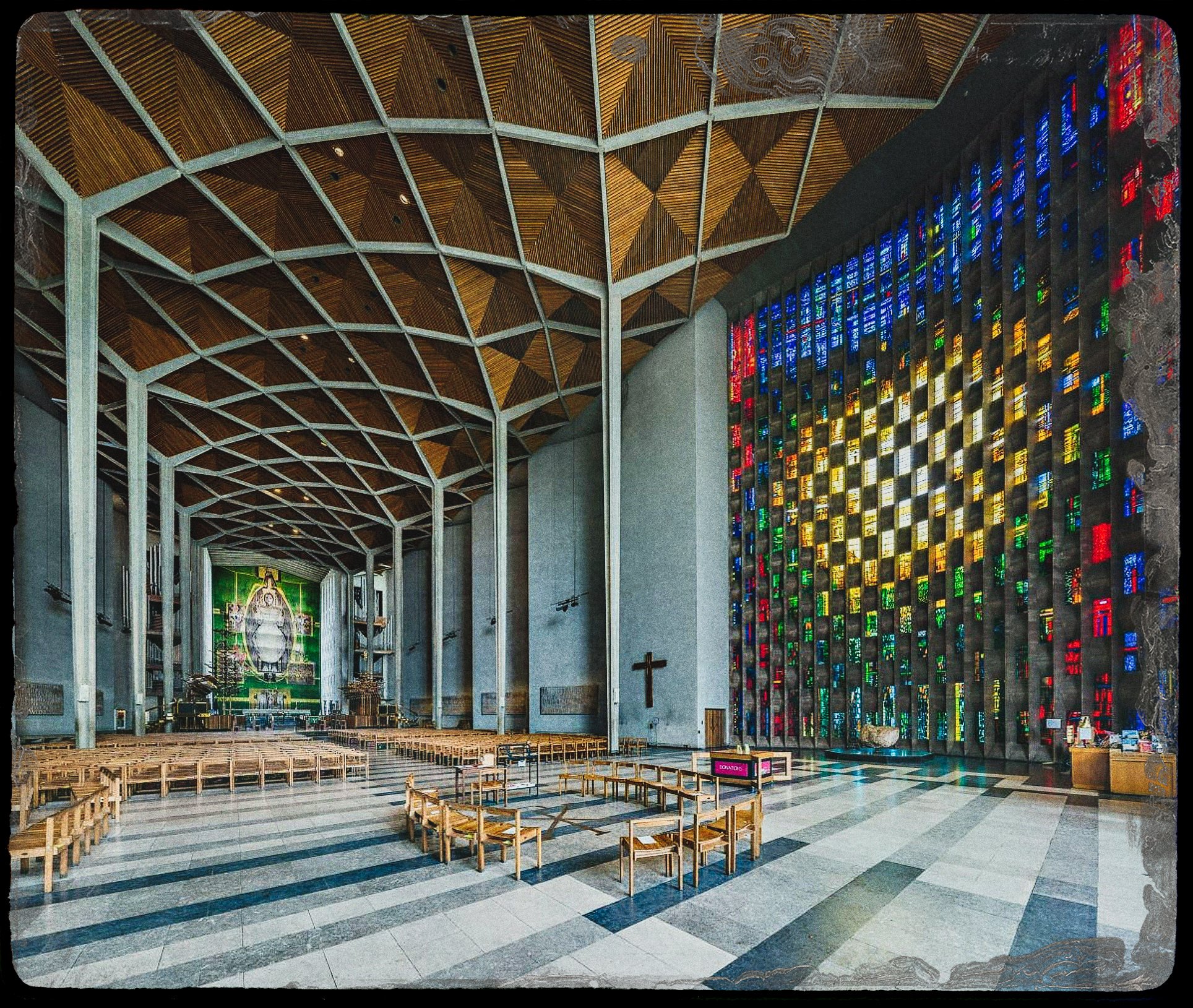
Books shape the rooms of the imagination.
Here you’ll find work from Parabolic Imagination alongside books that have shaped, challenged, unsettled, or illuminated the thinking behind it.
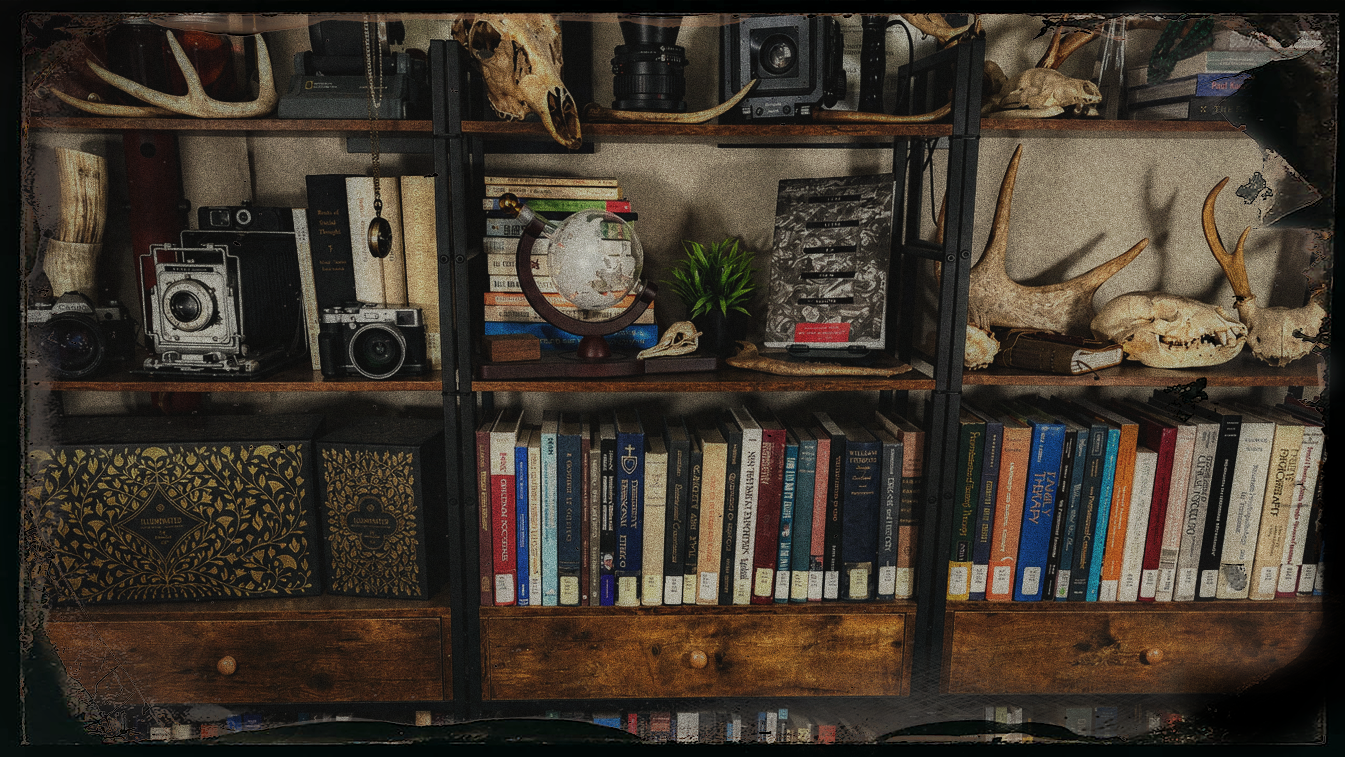
The Bookshelf
Books Worth Sitting With
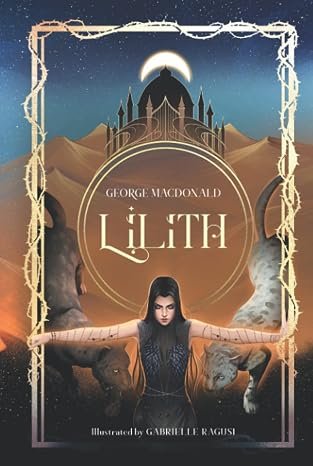
Death, desire, surrender, and the strange country between what we are and what we might become.
MacDonald’s dark fantasy refuses to make transformation simple. Lilith moves through dream, death, identity, pride, love, and resurrection with the logic of myth rather than argument. It is unsettling precisely because it does not explain everything it reveals. For Parabolic Imagination, it is an important example of Christian imagination allowing story to carry theological weight without becoming disguised doctrine.
Question: What if becoming fully alive sometimes begins by surrendering the version of ourselves we are most determined to preserve?
George MacDonald — Lilith
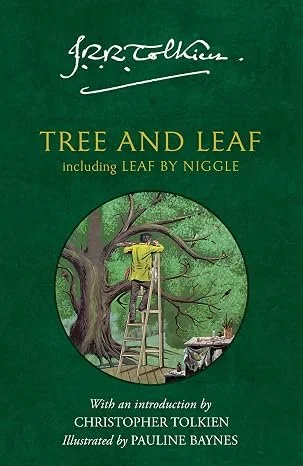
J. R. R. Tolkien — Tree and Leaf
Why making imaginary worlds may be one way of learning to see the real one again.
In essays and story, Tolkien explores fairy tale, imagination, subcreation, recovery, escape, and consolation. Of all his works, this may reveal most clearly why enchantment need not mean fleeing reality. Sometimes the strange forest returns us to the ordinary tree with our sight restored.
Question: What if fantasy does not help us escape the world, but gives the familiar world back to us newly seen?
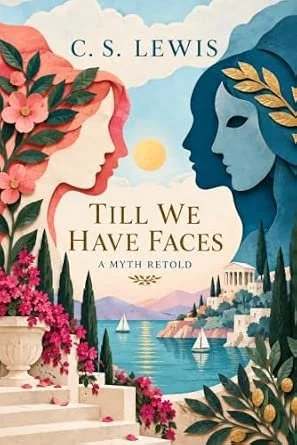
C. S. Lewis — Till We Have Faces
An old myth retold through love, possession, grief, accusation, and the silence of the gods.
Lewis takes the myth of Cupid and Psyche and lets another character tell it from inside her wounds. The result is less an argument for Christianity than an examination of the stories we tell about ourselves, the people we claim to love, and the God we accuse of remaining silent. The closer Orual comes to truth, the harder it becomes to separate confession from recognition.
Question: How much of what we call love is love—and how much is our desire to possess what we cannot bear to lose?
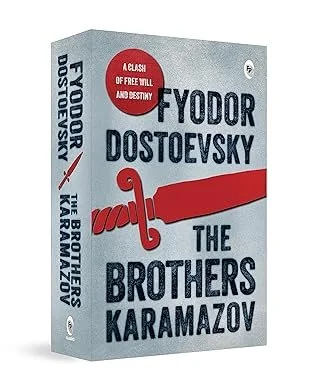
Faith and unbelief sharing the same family table.
Dostoevsky allows belief, rebellion, suffering, freedom, responsibility, doubt, cruelty, and compassion to become people before they become positions. Ivan's objections are not made foolish so that Alyosha can win. The suffering of children is not explained away. The novel's theological seriousness comes partly from allowing its questions to remain dangerous.
Question: Can faith remain honest when it refuses to silence the strongest arguments made against it?
Fyodor Dostoevsky — The Brothers Karamazov
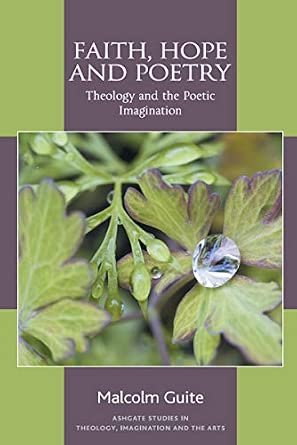
Malcolm Guite — Faith, Hope and Poetry
Poetry not merely as decoration for belief, but as a way of knowing.
Guite brings theology into conversation with English poetry and argues, in practice as much as theory, that poetic imagination can disclose dimensions of reality that abstract propositions cannot exhaust. This belongs near the centre of the Library because it helps articulate why poetry and theology need not occupy separate rooms.
Question: What can a poem know that an argument cannot quite say?
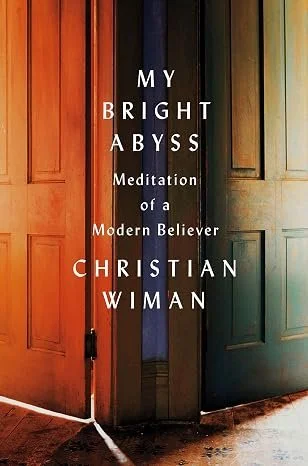
Christian Wiman — My Bright Abyss
Faith after certainty has become impossible to pretend.
Poet Christian Wiman writes from within illness, mortality, love, doubt, longing, and an unexpected return toward Christian faith. He does not tidy belief into certainty. Instead, faith appears intermittently—in poetry, attention, relationship, suffering, absence, and moments when something seems to break through ordinary consciousness.
Question: What if faith is sometimes less the possession of certainty than the willingness to remain attentive to what keeps calling us?
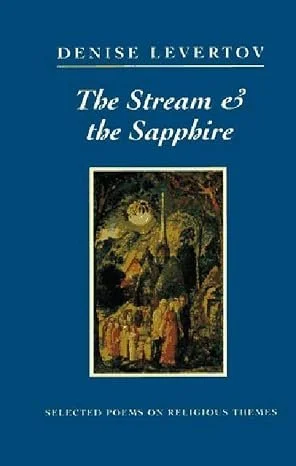
A poet crossing slowly from unbelief toward faith without erasing the road behind her.
These poems trace Levertov’s spiritual movement through questioning, resistance, wonder, incarnation, suffering, and eventually Christian belief. What makes the collection valuable is that conversion does not appear as a switch being flipped. The poems preserve movement, hesitation, discovery, and the unfinished quality of becoming.
Question: What if conversion is sometimes less a sudden answer than the gradual discovery that we have already begun walking toward something?
Denise Levertov — The Stream & the Sapphire
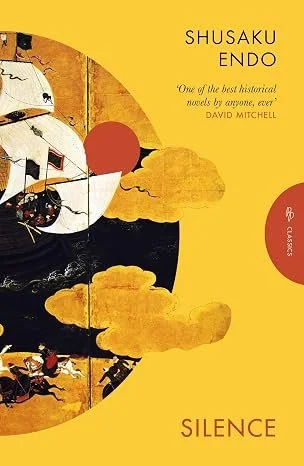
Shūsaku Endō — Silence
What remains of faith when every available choice seems capable of betrayal?
Set amid the persecution of Christians in seventeenth-century Japan, Silence refuses easy ideas about martyrdom, courage, apostasy, cultural translation, and divine absence. Endō makes the reader inhabit the moral pressure rather than observe it comfortably from outside. Faith encounters another culture—and discovers that even apparently simple questions can become terrible when bodies are at stake.
Question: What does faithfulness mean when every choice carries suffering for someone else?
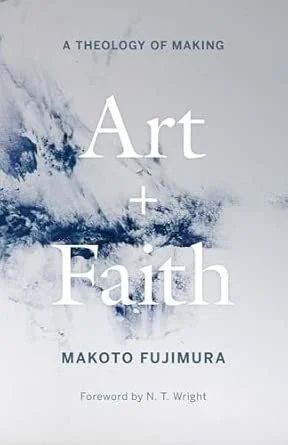
Makoto Fujimura — Art and Faith: A Theology of Making
Beauty, brokenness, and the possibility that making can itself become a theological act.
Artist Makoto Fujimura approaches Christian theology through paint, materials, Japanese artistic traditions, repair, beauty, and the act of making. Rather than asking only what art can say about Christianity, he asks what the practice of making might reveal about creation, restoration, abundance, and our participation in a world still being made.
Question: What if making something beautiful is not merely an expression of what we believe, but one way we learn how to see?